Funeral Director Jailed 20 Years for Failing to Bury Bodies
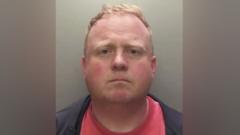
A disgraced funeral director faces 20 years in prison for failing to bury bodies and cremating remains improperly, devastating bereaved families.
Funeral Director Sentenced to Two Decades for Burial Negligence
A prominent funeral director has been sentenced to 20 years in prison after being convicted of failing to bury bodies and engaging in widespread fraudulent cremation practices. The funeral director jailed case represents one of the most serious breaches of trust in the funeral services industry, leaving countless families devastated by the discovery that their loved ones were not treated with the dignity and respect they deserved.
Robert Bush, the operator of a funeral establishment, systematically failed to perform his contractual obligations to grieving families who entrusted him with the final arrangements of their deceased relatives. The investigation revealed that Bush not only neglected to bury bodies as promised but also mishandled cremation procedures with shocking disregard for the sanctity of human remains.
Widespread Deception Involving Cremated Remains
The most disturbing aspect of this case emerged when authorities discovered that Bush provided bereaved relatives with the ashes of strangers instead of their actual family members. This calculated deception compounded the emotional trauma already experienced by families during their time of grief. Loved ones who believed they were receiving the cremated remains of their deceased family members unknowingly carried home the ashes of unrelated individuals.
The scope of this scandal extended across multiple families and numerous cases spanning several years. Each instance represented a fundamental violation of the trust that families place in funeral service professionals. The failed to bury bodies allegations uncovered during the investigation highlighted not just negligence, but a pattern of deliberate misconduct designed to cut costs and increase profits at the expense of the bereaved.
Impact on Bereaved Families
The emotional and psychological consequences for the affected families have been profound and long-lasting. Many individuals and families have had to cope with the realization that their final arrangements for cherished loved ones were mishandled in ways they never could have anticipated. Some families discovered the truth only months or years after the funeral services were completed, extending their period of grief and betrayal.
Victims have described their experiences as among the most traumatic events of their lives, surpassing even the initial loss of their family members. The trust that should characterize the relationship between funeral homes and clients was fundamentally broken, raising serious questions about oversight and accountability in the funeral services industry.
Criminal Charges and Legal Proceedings
Bush faced multiple criminal charges related to his conduct, including fraud, theft, and improper handling of human remains. The 20-year prison sentence reflects the severity of his crimes and the significant harm inflicted upon vulnerable families during their most difficult moments. Prosecutors presented compelling evidence demonstrating Bush's knowledge of his illegal activities and his deliberate attempts to conceal them.
During the trial, witness testimony from bereaved families and forensic experts revealed the systematic nature of Bush's misconduct. Documentation showed that he had charged families full fees for burial services he never performed, and for cremation services completed improperly with deliberately falsified documentation.
Regulatory Response and Industry Reform
This case has prompted increased scrutiny of funeral service licensing and oversight mechanisms. Regulatory agencies are now reviewing their inspection protocols and complaint procedures to prevent similar abuses from occurring in the future. The funeral home scandal has raised awareness about the need for stronger accountability measures and more frequent audits of funeral service facilities.
Industry associations have called for enhanced background checks, increased transparency in pricing and procedures, and mandatory verification processes for cremation and burial services. These reforms aim to restore public confidence in funeral professionals and ensure that families can trust their funeral service providers with the care of their deceased loved ones.
Moving Forward: Support for Victims
Several families have filed civil lawsuits seeking compensation for their losses and emotional distress. Some have requested that their actual family members' remains be properly identified and provided to them for appropriate memorial services. The ongoing legal battles highlight the complicated process of seeking justice when funeral services have been mismanaged or deliberately mishandled.
Support organizations have stepped in to assist affected families in navigating both the emotional aftermath and the complex legal proceedings. Counseling services and victim advocacy groups are working to help bereaved families process their experiences and understand their rights and options for seeking redress.
The case of this funeral director jailed for failing to bury bodies and mishandling cremations serves as a stark reminder of the importance of choosing reputable, licensed funeral service providers and conducting thorough research before making final arrangements for loved ones. Families are now encouraged to request detailed documentation of all services performed and to verify that their deceased relatives are treated with the utmost care and respect throughout the funeral process.


