Funeral Director Sentenced to 20 Years for Failing to Bury Bodies
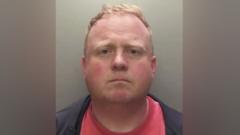
Disgraced funeral director Robert Bush sentenced to 20 years imprisonment for failing to bury bodies, cremate remains, and giving bereaved families ashes of str...
Funeral Director Faces Lengthy Prison Sentence
A prominent funeral director has been sentenced to 20 years in prison following a comprehensive investigation into widespread misconduct at his funeral establishment. The case centered on the operator's systematic failure to bury bodies entrusted to his care, resulting in a profound breach of trust with grieving families who had paid substantial sums for funeral services.
The Charges Against the Funeral Director
Robert Bush, the individual at the center of this major scandal, operated a funeral home that became the subject of criminal proceedings after authorities discovered multiple violations of service agreements and professional standards. The funeral director sentenced to decades behind bars had been accused of neglecting his fundamental responsibilities to deceased individuals and their loved ones.
Cremation Services and Ashes Mix-Up
Beyond the failure to bury bodies, investigations revealed that Bush also failed to properly cremate people as requested by their families. In perhaps the most disturbing aspect of the case, the funeral director provided bereaved relatives with cremated remains that did not belong to their deceased loved ones. Families who believed they were receiving ashes of their family members were instead given ashes of strangers, compounding the emotional trauma of their loss.
Impact on Grieving Families
The consequences of these actions extended far beyond administrative negligence. Bereaved families discovered that their trust had been violated in the most profound manner imaginable. Those who had placed their faith in professional funeral services to handle their deceased relatives with dignity and respect found themselves victimized by deception. The emotional and psychological toll on families learning that they possessed remains of individuals unknown to them cannot be overstated.
Investigation and Legal Proceedings
Law enforcement and regulatory bodies launched a thorough investigation into the funeral home's operations after concerns were initially raised. The inquiry uncovered a pattern of systematic failures and deliberate misconduct that spanned an extended period. Evidence presented during the trial demonstrated the callous disregard the funeral director displayed toward both the deceased and their families. Prosecutors successfully argued that these were not isolated incidents but rather indicative of a broader pattern of criminal negligence and fraud.
The 20-Year Sentence
The judge, upon reviewing all evidence and considering the severity of the offenses, determined that a 20-year prison sentence was appropriate. This substantial punishment reflects the gravity of violating families' trust during their most vulnerable moments. The sentencing sends a clear message about the consequences of exploiting people's grief and failing to honor the deceased with the respect they deserve.
Industry Standards and Oversight
This case has reignited discussions about funeral industry oversight and the need for stricter regulations and monitoring. Funeral homes handle matters of utmost sensitivity, and the public relies on operators to maintain the highest ethical standards. The scandal involving Robert Bush highlights potential vulnerabilities in current regulatory frameworks and inspires calls for enhanced background checks, regular audits, and more robust accountability measures across the funeral service industry.
Lessons for Consumers
Families planning funeral arrangements are now being advised to conduct thorough research before selecting a funeral home, verify credentials and licensing, request itemized service agreements, and maintain detailed documentation of arrangements. Additionally, regulatory agencies recommend that families verify the identity of remains before and after cremation services through independent means whenever possible.
Moving Forward
The conviction and imprisonment of this funeral director represent a significant legal victory for those harmed by his actions. However, for the families affected, justice serves primarily as acknowledgment of their suffering rather than true restitution. The case serves as a sobering reminder of the importance of professional integrity in industries that serve people during their most difficult moments, and the need for ongoing vigilance to protect vulnerable consumers from exploitation and abuse of trust.


