Funeral Director Sentenced to 20 Years Prison for Failing to Cremate Bodies
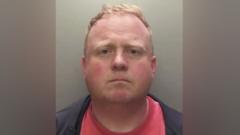
Funeral director Robert Bush receives 20-year sentence after abandoning human remains and distributing stranger ashes to bereaved families. Major cremation scan...
Funeral Director Faces Two Decades in Prison for Body Disposal Failures
A disgraced funeral director has been convicted and sentenced to 20 years in federal prison following a shocking investigation that revealed systematic failures in handling human remains. The funeral director scandal has exposed one of the most disturbing breaches of trust in the funeral service industry, leaving numerous grieving families devastated by the discovery that their loved ones were not properly cremated or buried as requested.
Details of the Cremation and Burial Violations
The investigation uncovered that the defendant failed to fulfill basic funeral service obligations for an extensive number of clients. Rather than properly cremating deceased individuals as families had arranged and paid for, the operator left bodies abandoned in various conditions. This deliberate negligence extended to burial services as well, where families who had purchased cemetery plots discovered their relatives had never been interred as promised.
The Ashes Substitution Scheme
Perhaps most egregious among the charges was evidence that grieving relatives received the cremated remains of complete strangers. Family members brought their precious urns home, believing they contained their loved ones, only to later discover through DNA testing and investigation that they possessed someone else's ashes. This calculated deception compounded the trauma experienced by already-mourning families and demonstrated a profound disregard for human dignity.
Investigation and Evidence
The case emerged after multiple families reported inconsistencies and requested verification of their cremations. Authorities launched a comprehensive inquiry that eventually uncovered records of dozens of unprocessed remains at the funeral facility. The evidence presented at trial established a pattern of fraudulent practices spanning several years, during which the director collected payment for services never rendered.
Impact on Bereaved Families
Relatives of the deceased expressed their anguish throughout legal proceedings. The violation of their trust during one of life's most vulnerable moments created lasting psychological harm. Beyond the emotional trauma, families incurred additional expenses seeking proper cremation or burial services and pursuing legal remedies for the fraud perpetrated against them.
Sentencing and Legal Consequences
The court determined that the 20-year prison sentence reflected the severity of the offenses, which included fraud, theft, and abuse of human remains. Prosecutors argued the defendant's actions constituted not merely financial crimes but violations of fundamental respect owed to the deceased and their families. The substantial sentence serves as a deterrent against similar misconduct within the funeral service industry.
Industry Response and Regulatory Changes
The scandal has prompted increased scrutiny of funeral home operations nationwide. Regulatory agencies are implementing stricter oversight protocols, including unannounced inspections and mandatory tracking systems for human remains. Professional organizations have also enhanced ethics training and credential verification requirements for funeral service providers.
Moving Forward
The conviction marks a significant moment for consumer protection and family advocacy in the funeral industry. While no sentence can fully restore what families lost, the legal accountability sends a clear message that exploitation of the deceased and their loved ones will face serious criminal penalties. Many states are now reviewing existing regulations to prevent similar abuses from occurring in the future.


