Hamas Disarmament Strategy Encounters Significant Challenges Despite Offering Path Forward for Gaza
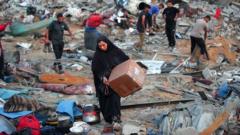
Hamas disarmament plan presents obstacles but brings potential for Gaza's future. Analysis of political complexities and reconstruction challenges ahead.
Hamas Disarmament Plan: Navigating Complex Political Terrain
A comprehensive Hamas disarmament plan emerges as a pivotal development in efforts to stabilize the Gaza region, though experts acknowledge the multifaceted obstacles that could undermine its implementation. The proposal represents one of the most ambitious diplomatic initiatives in recent years, attempting to address the fundamental security concerns that have plagued the territory for decades.
The challenges facing any successful Hamas disarmament plan extend far beyond simple military considerations. Political realities in the region create additional layers of complexity that negotiators must navigate carefully. The international community recognizes that sustainable peace requires addressing not only weapons systems but also the underlying political structures and grievances that sustain armed organizations.
The Political Landscape and Trust Deficit
Zero trust characterizes current relations between major stakeholders involved in Palestinian governance discussions. This fundamental breakdown in confidence presents perhaps the most significant barrier to implementing any comprehensive disarmament framework. Historical disputes, failed agreements, and continued tensions have created deep skepticism regarding all parties' commitment to peaceful resolution.
Political factions within Gaza and the broader Palestinian territories hold divergent interests that complicate unified approaches to security reform. These internal divisions mean that any agreement must satisfy multiple competing constituencies, each with distinct priorities and concerns about long-term governance structures.
The Human Cost and Physical Destruction
The devastating humanitarian toll on Gaza's civilian population cannot be separated from discussions about security arrangements and organizational disarmament. Thousands of lives have been lost, and the widespread destruction of critical infrastructure creates immediate humanitarian needs that must be addressed simultaneously with political negotiations.
Reconstruction efforts face enormous challenges, requiring international coordination and significant financial resources. The scale of physical destruction extends across residential areas, medical facilities, educational institutions, and economic infrastructure. Any viable Hamas disarmament plan must account for these realities and include pathways for rehabilitation and development.
Creating Framework for Sustainable Implementation
Successfully establishing a Hamas disarmament plan requires unprecedented cooperation between regional and international actors. Verification mechanisms must be transparent and credible, addressing longstanding concerns about enforcement and compliance. Third-party monitoring could provide the necessary assurance to all parties that commitments are being honored.
The process demands careful sequencing of steps, beginning with confidence-building measures that gradually expand into more comprehensive agreements. Incremental progress may prove more feasible than attempting to resolve all outstanding issues simultaneously through a single comprehensive settlement.
Rare Opportunities for Progress
Despite significant hurdles, this Hamas disarmament plan represents a genuinely rare diplomatic opening. International pressure, regional dynamics, and humanitarian concerns have created circumstances where previously intractable positions may become negotiable. Key stakeholders appear to recognize that continued conflict serves no party's long-term interests.
The pathway forward demands sustained commitment from Palestinian leadership, Israeli authorities, neighboring countries, and the international community. Each actor must recognize that accommodations and compromises serve broader regional stability better than perpetual confrontation.
Looking Toward Gaza's Future
Long-term peace and development in Gaza depend fundamentally on addressing security concerns through legitimate institutions and transparent governance structures. A successful Hamas disarmament plan could catalyze broader reforms that benefit the civilian population through improved services, economic opportunities, and personal security.
The international community must remain engaged throughout implementation, providing technical expertise, financial resources, and diplomatic support. Successful disarmament initiatives historically require sustained external commitment to succeed.


