Labour Secures Commanding Win in Greater Manchester Mayoral Race
Labour's Bev Craig wins decisive Greater Manchester mayoral byelection victory, reclaiming areas lost to Reform UK. Read the latest political news.
Labour Claims Decisive Victory in Greater Manchester Mayoral Byelection
Labour has achieved a commanding triumph in the Greater Manchester mayoral byelection, reclaiming significant political ground across the region following recent electoral setbacks. The Greater Manchester mayoral byelection result marks a substantial recovery for the party in an area that witnessed considerable voter migration toward alternative political movements in preceding months.
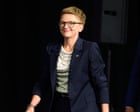
Bev Craig, who currently serves as leader of Manchester city council, has emerged victorious and will assume the prestigious role of Greater Manchester mayor. This transition represents a critical leadership change within one of England's most influential metropolitan regions, establishing Craig as one of the most prominent political figures operating outside the Westminster parliamentary establishment.
Bev Craig Steps Into the Greater Manchester Mayoral Position
Craig's election victory in the Greater Manchester mayoral byelection signifies continuity within Labour's regional governance structure whilst simultaneously demonstrating renewed public confidence in the party's local leadership credentials. As Manchester city council leader, Craig has cultivated significant experience in municipal administration and policy development across the densely populated urban authority.
The outgoing mayor Andy Burnham's departure from the position creates this byelection opportunity, with Craig successfully navigating the competitive electoral process to secure the mandate. Her assumption of office will place her in command of substantial budgetary resources and administrative authority across Greater Manchester's ten constituent local authorities, which collectively represent millions of residents.
Labour Reclaims Territory From Reform UK and the Greens
The electoral outcome demonstrates Labour's capacity to reverse recent territorial losses within constituencies and electoral wards that shifted toward Reform UK and Green Party representation during the May elections. These reversals prove particularly significant given the broader political fragmentation that has characterized recent electoral cycles across Northern England.
Reform UK's electoral advances in May represented a notable challenge to Labour's traditional dominance across Greater Manchester, a region historically considered a stronghold of left-leaning politics. The mayoral byelection results suggest that voters have renewed their support for Labour's regional agenda and economic priorities.
Broader Implications for Labour's Political Strategy
Craig's victory in the Greater Manchester mayoral byelection offers Labour valuable momentum as the party continues navigating a complex political landscape marked by voter volatility and emerging competition from movements such as Reform UK. The decisive nature of the triumph indicates sustained public backing for Labour's approach to regional governance and local economic development initiatives.
The mayoral position carries substantial political weight, enabling Craig to influence major infrastructure investments, transport policies, and regional economic strategy. Greater Manchester's mayor controls devolved powers relating to land development, business growth initiatives, and public transport coordination across the metropolitan region.
Andy Burnham's Legacy and Transition
Andy Burnham's tenure as Greater Manchester mayor established the position as a platform for significant political influence and regional advocacy. His leadership during the COVID-19 pandemic and subsequent negotiations regarding public funding brought national attention to mayoral responsibilities and enhanced the profile of the office substantially.
Craig inherits this legacy whilst confronting contemporary challenges including cost-of-living pressures affecting residents, transportation infrastructure demands, and economic competitiveness questions facing the northern region. Her prior experience within Manchester's city council administration provides foundational understanding of the administrative complexities inherent in managing such a large metropolitan governance structure.
Election Results and Public Confidence Recovery
The decisive margin achieved in the Greater Manchester mayoral byelection suggests that Labour's message resonated effectively with voters across diverse communities within the region. This recovery proves particularly noteworthy given the challenging electoral environment that characterized recent national and local elections, where protest voting and alternative party support expanded considerably.
Craig's victory consolidates Labour's institutional control over Greater Manchester's leadership structures, positioning the party advantageously for upcoming electoral cycles whilst demonstrating renewed public confidence in its regional policy agenda. The result validates Labour's strategic emphasis on local governance competence and administrative effectiveness as central themes within political communications.
As Craig prepares to assume mayoral responsibilities, her focus will likely encompass addressing transportation challenges, supporting business development, enhancing public services coordination, and advancing regional economic growth objectives. The mandate she has secured through this decisive electoral victory provides the political capital necessary for implementing ambitious governance initiatives across Greater Manchester's diverse communities and constituent authorities.