Labour Secures Decisive Victory in Greater Manchester Mayoral Byelection
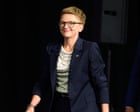
Labour wins decisive victory in Greater Manchester mayoral byelection with Bev Craig succeeding Andy Burnham. Reclaims areas lost to Reform UK and Greens.
Labour Claims Dominant Win in Greater Manchester Mayoral Contest
The Greater Manchester mayoral byelection has delivered a commanding victory for Labour, marking a significant recovery in political fortunes across the region. The party's performance demonstrates renewed voter confidence in its leadership capabilities, reversing recent electoral setbacks and reclaiming constituencies that had shifted toward alternative political movements.
Bev Craig, the Manchester city council leader, will assume one of the most influential political positions outside the Westminster parliament following her success in the Greater Manchester mayoral byelection. This triumph represents a watershed moment in regional politics, as Craig prepares to fill the substantial shoes left vacant by her predecessor.
Recovery in Key Electoral Areas
The Greater Manchester mayoral byelection results reveal significant gains for Labour in districts where the party had lost ground during the May electoral cycle. Areas previously captured by Reform UK and the Green Party have swung back toward Labour's banner, indicating a strategic reengagement with voters and a restoration of traditional party support networks.
This electoral swing underscores the volatility of contemporary political preferences and the capacity for established parties to regain momentum. The reversal of previous losses suggests that Labour's messaging and policy platform resonated more effectively with Greater Manchester voters than competing alternatives. Constituencies that had been identified as vulnerable or trending away from Labour have now consolidated behind the party's vision for regional development and governance.
Bev Craig's Path to Regional Leadership
Bev Craig's elevation from Manchester city council leader to mayor represents a natural progression within the party hierarchy. Her experience managing municipal affairs in one of the region's major urban centers provided a foundation for her mayoral campaign. The endorsement reflected confidence in her capacity to navigate the complexities of regional administration.
As the incoming mayor, Craig inherits substantial responsibilities encompassing economic development, transport infrastructure, public health, and community relations across the ten local authorities comprising the Greater Manchester combined authority. Her transition follows the tenure of Andy Burnham, whose departure created the byelection opportunity.
Significance of the Greater Manchester Mayoral Position
The Greater Manchester mayoral byelection outcome carries implications extending beyond regional boundaries. The mayor commands significant resources and policy influence, positioning the office as a powerbase within the broader Labour structure. This jurisdiction represents one of England's most important metropolitan areas, with demographic and economic significance that extends to national political considerations.
The byelection victory provides Labour with momentum heading into future electoral contests and strengthens the party's organizational capacity within the Northwest region. Control of the mayoral office enhances Labour's ability to implement regional policy agendas and coordinate with other Labour-controlled councils across Greater Manchester's localities.
Voter Sentiment and Electoral Dynamics
The substantial margin of Labour's victory in the Greater Manchester mayoral byelection indicates decisive voter preference rather than narrow partisan advantage. This decisive outcome reflects public judgment on competing visions for regional leadership and governance priorities. The rejection of alternative parties demonstrates that Reform UK and Green Party advances made during the May elections did not translate into sustained voter support at the mayoral level.
The byelection results suggest that local and regional electoral dynamics may diverge from national polling trends, with specific community concerns and candidate profiles exerting considerable influence on voting behavior. Labour's success in reclaiming previously lost ground indicates effective campaign organization and messaging resonance with the electorate.
Looking Forward
Bev Craig's assumption of the Greater Manchester mayoral byelection mandate marks the beginning of her tenure managing the combined authority. Her priorities will likely include transport modernization, economic growth strategies, and public service improvements across the region. The decisive victory provides Craig with a strong political mandate to pursue her agenda.
The Greater Manchester mayoral byelection outcome reinforces Labour's position as the dominant political force within the region and establishes foundation for sustained party influence. Craig's leadership will be instrumental in shaping regional development trajectories over her tenure, with implications for millions of residents across the combined authority's constituent councils.