Sainsbury's Completes £120m Argos Sale Transaction
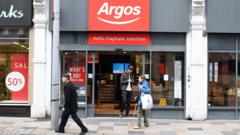
Sainsbury's sells Argos for £120m in major retail restructuring. Argos continues operations in stores with Nectar loyalty integration.
Sainsbury's Argos Sale: Key Details of £120m Transaction
In a significant retail sector move, Sainsbury's has finalized the Sainsbury's Argos sale agreement for £120 million, marking a major strategic shift for the supermarket chain. This transaction represents a pivotal moment in the UK retail landscape, as Sainsbury's divests from its general merchandise operations while maintaining crucial commercial partnerships that will ensure continuity for customers and stakeholders alike.
Operational Continuity Following the Sale
The Sainsbury's Argos sale structure preserves essential service elements that have become integral to customer experience. Under the carefully negotiated deal terms, Argos will maintain its physical presence within Sainsbury's retail locations, ensuring shoppers continue to access general merchandise offerings alongside grocery purchases. This arrangement demonstrates a pragmatic approach to the transaction, balancing Sainsbury's strategic objectives with customer convenience.
In-Store Integration and Product Offerings
The agreement stipulates that Argos operations will remain embedded within Sainsbury's store network, allowing customers to browse and purchase from Argos catalogs and digital platforms during their regular shopping visits. This seamless integration has proven popular with consumers who value one-stop shopping experiences combining groceries with household goods, electronics, and home furnishings.
Habitat Product Portfolio
A distinctive feature of the Sainsbury's Argos sale arrangement involves the continued distribution of Habitat branded products. Habitat, the home furnishings brand owned by Argos, will persist in being stocked and sold across participating Sainsbury's locations. This ensures customers maintain access to a curated selection of contemporary home décor items, bedding, kitchenware, and furniture pieces that complement their shopping routines.
Nectar Loyalty Programme Integration
The deal's financial structure incorporates continued partnership opportunities around the Nectar loyalty scheme. Customers earning Sainsbury's Nectar points through their regular grocery purchases will maintain the ability to redeem these points through Argos transactions. This cross-brand loyalty integration reinforces customer engagement and provides tangible incentives for shoppers to utilize both brands' services, strengthening the commercial relationship between the entities.
Strategic Implications of the £120m Transaction
The £120 million valuation reflects current market conditions and Sainsbury's assessment of Argos's standalone potential. For Sainsbury's, the transaction allows the company to refocus resources on core grocery operations while maintaining profitable partnerships in the general merchandise sector. The sale price suggests investor confidence in Argos's operational model and future revenue generation capabilities under new ownership.
Market Position and Competitive Landscape
The Sainsbury's Argos sale occurs within a rapidly evolving retail environment where traditional department stores and general merchandise retailers face increasing competition from e-commerce platforms and specialized retailers. By releasing Argos as an independent entity, both companies position themselves to pursue distinct strategic pathways tailored to their respective market segments and customer bases.
Financial and Operational Ramifications
For Sainsbury's, divesting Argos through the £120 million sale provides capital that can be redirected toward store modernization, technology infrastructure, and supply chain enhancements. These investments aim to strengthen competitive positioning in grocery retail, where margins remain competitive and operational efficiency proves paramount. The transaction enables Sainsbury's to streamline its portfolio and focus management attention on core competencies.
Argos, operating under new ownership post-transaction, maintains established distribution channels through Sainsbury's locations while retaining the flexibility to develop additional retail partnerships. The commercial arrangement preserving Argos's presence within Sainsbury's stores provides immediate stability and customer access, critical factors for a retailer managing the transition to new ownership and potentially revised strategic objectives.
Long-Term Customer Impact
From consumer perspective, the practical implications of the Sainsbury's Argos sale remain minimal regarding everyday shopping experiences. The arrangement ensures continued access to Argos merchandise, Habitat products, and Nectar point redemption opportunities across the network. For regular Sainsbury's customers, this continuity means familiar shopping patterns and product availability persist despite the corporate restructuring occurring at ownership and management levels.
The transaction exemplifies how modern retail transactions balance shareholder interests, operational efficiency, and customer satisfaction. By maintaining established partnerships while transferring ownership rights, both organizations honor existing customer relationships while enabling each entity to pursue specialized strategic focuses aligned with current market realities and long-term commercial objectives.