Spain's PM Attributes 60,000 Migrant Arrivals to Trafficker Networks
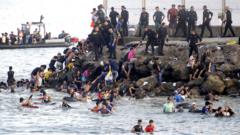
Spain's Prime Minister holds trafficking organizations responsible for 60,000 migrants reaching Ceuta from Morocco. Italy suspends Schengen agreement with Madri...
Spain's PM Attributes 60,000 Migrant Arrivals to Trafficker Networks
Spain's Prime Minister has pointed to organized trafficking networks as the primary catalyst behind the unprecedented surge of approximately 60,000 migrants reaching Ceuta from Morocco in recent days. This extraordinary influx represents one of the most significant migratory movements in the region's recent history, prompting swift governmental responses and international diplomatic tensions.
According to official statements, the vast majority of the migrants had successfully returned to Moroccan territory by Friday evening. This rapid reversal suggests coordinated efforts between Spanish authorities and neighboring regional governments to manage the crisis and restore order at the border. The repatriation process demonstrated the capacity of border control agencies to respond swiftly to mass migration events.
Italian Response and Schengen Agreement Suspension
In a significant diplomatic escalation, Italy suspended its Schengen agreement on free movement with Madrid, effectively tightening border controls between the two European Union member states. This extraordinary measure reflects Italy's concerns about potential secondary migration routes and the broader implications of uncontrolled population movements within Europe.
The Schengen suspension represents one of the most assertive responses available to member nations facing migration pressures. By temporarily halting the free movement provisions, Italy sought to establish additional screening mechanisms and prevent potential onward migration of individuals who had recently arrived at Spain's Mediterranean enclave.
Trafficking Organizations Under Scrutiny
Spanish leadership emphasized that criminal trafficking networks orchestrated the mass movement, rather than spontaneous migration decisions. These organizations profit substantially from facilitating unauthorized border crossings, charging vulnerable individuals substantial fees in exchange for passage.
The coordination required to mobilize 60,000 people simultaneously underscores the sophisticated operational capabilities of these illicit networks. They leverage established smuggling routes, false documentation systems, and coordination with local facilitators to overcome border security measures. Such large-scale operations typically involve months of planning and significant financial investment from criminal syndicates.
Border Security and Regional Cooperation
The incident highlighted both vulnerabilities in border management and the importance of regional cooperation. Spanish authorities worked to process and facilitate returns while managing the humanitarian dimensions of mass migration events. These operations require coordination with transportation services, medical facilities, and reception centers.
Morocco's role in accepting returning nationals demonstrated bilateral cooperation despite existing tensions over historical disputes and fishing rights. The kingdom's border authorities processed tens of thousands of returnees, preventing the complete destabilization of the migration corridor.
Broader European Migration Challenges
This event exemplifies the persistent challenges facing European border security and freedom of movement frameworks. The Schengen system, designed to facilitate legitimate travel and commerce, faces recurrent pressures when large-scale irregular migration events occur. National governments must balance these principles with legitimate security and administrative concerns.
The migration crisis at Ceuta reflects deeper patterns affecting the Mediterranean region, including economic disparities, conflict in neighboring regions, and the operations of sophisticated smuggling networks. These structural factors continue to drive migration pressures despite enforcement efforts and border fortifications.
Humanitarian and Security Considerations
Managing mass migration events requires attention to both humanitarian obligations and security imperatives. Authorities must ensure vulnerable individuals receive appropriate assistance while maintaining border integrity and processing capacity. This balancing act presents operational and ethical challenges for European governments.
The role of trafficking organizations in precipitating this crisis underscores the need for international law enforcement cooperation. Dismantling these networks requires coordinated efforts across jurisdictions and sustained intelligence sharing among security agencies.


