Spanish Prime Minister Holds Traffickers Responsible for 60,000 Migrants Arrival at Ceuta
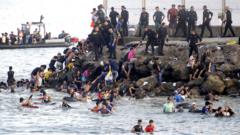
Spain's PM blames human traffickers after 60,000 migrants reach Ceuta from Morocco. Italy suspends Schengen agreement with Madrid over the crisis.
Migrants Reach Ceuta: Spain's Response to Mass Border Crossing
When migrants reach Ceuta in unprecedented numbers, the situation demands immediate government attention and accountability. Spain's Prime Minister has directly attributed the extraordinary influx of approximately 60,000 individuals crossing from Morocco to organized criminal operations. This dramatic event has triggered significant diplomatic tensions across Europe, particularly involving Schengen zone protocols and international border management procedures.
Government's Position on the Crisis
Spanish authorities have emphasized that the majority of those who initially crossed the Strait of Gibraltar had already returned to Moroccan territory by Friday evening. This detail is crucial in understanding the overall scope and temporary nature of the surge. The government's quick assessment suggests that many migrants were either discouraged by the reception they encountered or chose to return voluntarily rather than remain in the autonomous city.
The Role of Human Trafficking Networks
According to Spanish officials, human traffickers orchestrated much of this coordinated movement, exploiting vulnerable individuals seeking better economic opportunities. These criminal networks profit enormously from facilitating illegal border crossings, often endangering lives through perilous sea routes and overland journeys. The Prime Minister's focus on trafficking operations underscores the government's view that the root cause lies not with migrants themselves but with the organized crime syndicates that facilitate these dangerous crossings.
Italy's Schengen Agreement Suspension
In a significant escalation of tensions, Italy suspended its Schengen agreement on free movement with Madrid. This extraordinary measure reflects growing frustration among European Union member states regarding immigration policies and border management. The Schengen Area, which guarantees passport-free travel across most EU nations, represents one of Europe's foundational integration achievements. When individual countries suspend this agreement, it signals serious concerns about their neighbors' immigration enforcement efforts.
What the Suspension Means
Italy's decision effectively reinstates border controls between the two Mediterranean nations, requiring citizens to present identification documents when crossing between Spanish and Italian territory. This move complicates travel, commerce, and the free movement principles that underpin the European Union itself. Such suspensions, while permitted under Schengen regulations during security crises, indicate deep frustration with Spain's handling of migration flows.
European Union Tensions Over Migration
The incident highlights persistent divisions within the EU regarding how member states should manage immigration. Spain, as a key entry point for migrants from Africa and the Middle East, faces considerable pressure to prevent irregular crossings while simultaneously respecting humanitarian obligations. Southern European nations frequently bear disproportionate responsibility for processing asylum claims and integrating irregular arrivals.
Ceuta's Strategic Importance
Ceuta's location makes it a critical flashpoint in European migration debates. This Spanish autonomous city on the North African coast sits directly across from Morocco, making it accessible to migrants seeking entry to the Schengen Area. The city's unique geopolitical position transforms it into a symbolic and practical frontier between European and African migration patterns.
Government Assessment and Forecast
Spanish authorities have undertaken comprehensive assessments of the incident to prevent similar occurrences. Enhanced coordination with Moroccan officials, increased surveillance of trafficking networks, and improved border security measures represent potential responses. The government aims to demonstrate its commitment to maintaining border integrity while addressing the underlying factors driving migration.
Broader Context of Mediterranean Migration
This incident occurs within the larger context of ongoing Mediterranean migration challenges. Thousands of individuals continue attempting dangerous sea crossings annually, often with tragic consequences. Spain, along with Greece and Italy, consistently manages the highest numbers of irregular arrivals on European shores, creating substantial administrative and social integration challenges.
International Cooperation Requirements
Addressing migration effectively requires coordinated approaches involving Spain, Morocco, other EU nations, and international organizations. Bilateral agreements must address trafficking operations, establish legal migration pathways, and coordinate humanitarian responses. Without such cooperation, border crises will likely continue recurring along vulnerable entry points.


