UK Band Faces Singapore Ban Following Pro-Palestine Statement at Concert
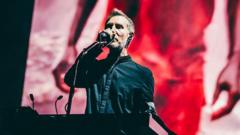
UK musical group prohibited from returning to Singapore after displaying pro-Palestine message during Wednesday performance. Explore the incident and its implic...
UK Band Receives Singapore Prohibition After Pro-Palestine Expression
A prominent United Kingdom-based musical group has been formally banned from returning to Singapore following a pro-Palestine statement made during a concert performance held on Wednesday. The city-state authorities issued the prohibition after the band vocalized their political stance while performing before a gathered audience, marking a significant moment in the ongoing debate surrounding artistic expression and government restrictions in Southeast Asia.
The Concert Incident That Sparked the Ban
During their Wednesday evening performance, the British band made a vocal declaration supporting Palestine, which prompted immediate attention from Singapore's regulatory authorities. The pro-Palestine statement delivered at the venue became the catalyst for the subsequent prohibition order, highlighting tensions between creative freedom and governmental policies in the region. This incident has reignited discussions about the boundaries of political expression within the entertainment industry.
Singapore's Response and Official Position
Singapore's authorities moved swiftly in response to the pro-Palestine display, determining that the band should not be permitted to perform in the nation again. The government's decision reflects its approach to managing political statements within the country's borders. The ban represents a formal restriction that prevents the UK-based group from organizing future performances or events within Singapore's jurisdiction, emphasizing the government's stance on foreign artists making political declarations during public events.
International Implications for Touring Musicians
This situation involving the UK band and the Singapore ban raises important questions about the treatment of international artists who engage in political expression. Many musicians and touring acts face complex decisions when performing in different countries with varying regulations regarding free speech and political advocacy. The incident serves as a cautionary example for performers considering international tours, particularly when their artistic or personal beliefs align with controversial political positions in certain regions.
The Broader Context of Political Expression in Entertainment
The ban placed on this UK musical group reflects broader global tensions surrounding political expression within the entertainment sector. Artists worldwide increasingly face pressure regarding their public statements and advocacy positions. The pro-Palestine movement has become a focal point of these discussions, with various governments and institutions taking different stances on how such messages should be addressed in public forums, including concert venues.
Impact on Future Concert Tours and Artist Considerations
The prohibition from Singapore may influence how the UK band approaches future international touring schedules. Artists and their management teams often reassess their performance venues and planned statements following such incidents. This case demonstrates the potential consequences that musical performers might face when making political declarations during live events, regardless of their artistic reputation or international standing.
Conclusion
The Singapore ban imposed on this UK band following their pro-Palestine statement during a Wednesday concert exemplifies the complex relationship between artistic freedom, political advocacy, and governmental authority in the modern entertainment landscape. The incident continues to spark conversations about the rights of performers to express political views and the regulatory powers of nations to restrict such expression within their territories.


